
Real-Time Quality Is No Longer Optional
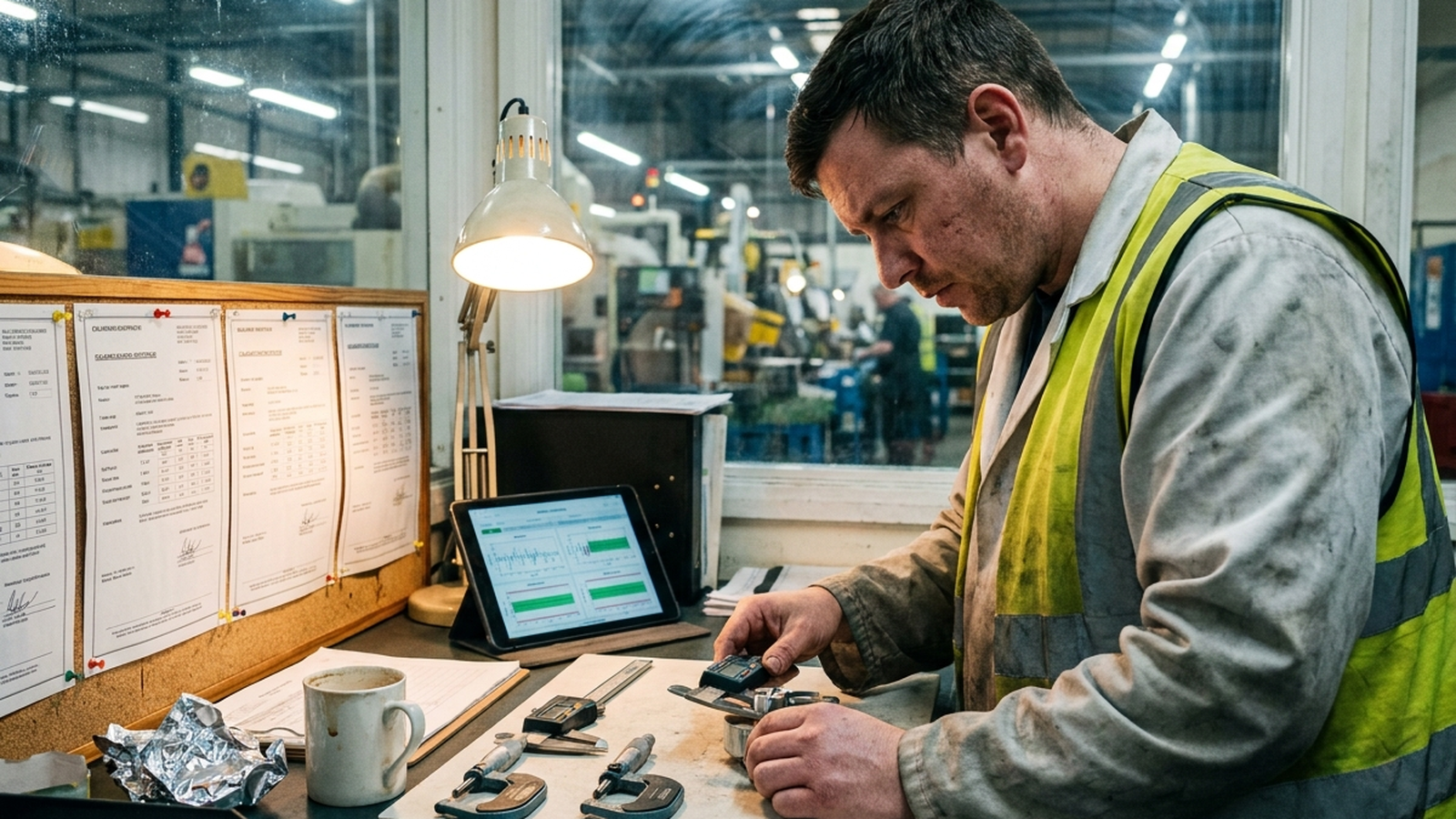
For many manufacturers, quality has long been treated as something measured after the fact. Inspect the output. Review the data. Investigate issues. Correct what went wrong. That approach may have worked in slower, less complex environments, but it is increasingly out of step with today’s reality.
Quality can no longer operate on delay.
Production environments are moving faster. Customer expectations are tighter. Compliance requirements remain high. The cost of scrap, rework, downtime, and missed shipments continues to add pressure. In that context, waiting to discover a problem after it has already affected product, throughput, or customer commitments is no longer sustainable.
That is why real-time quality has become essential.
Real-time quality means more than collecting data on the plant floor. It means turning quality signals into timely visibility and action. Instead of learning about an out-of-spec condition hours later, teams can identify issues as they emerge. Instead of relying on manual logs and delayed reporting, they can see trends while production is still running. That shift changes quality from a reactive checkpoint into an active part of operational control.
The impact is significant. Faster detection can reduce the amount of nonconforming material produced before intervention. Better process visibility can help teams spot instability before it becomes a larger failure. Operators can make corrections sooner. Supervisors can focus on exceptions that need attention. Quality teams can spend less time chasing data and more time driving improvement.
Real-time quality also improves collaboration across operations. Quality is not the responsibility of one department alone. Production, engineering, maintenance, and quality teams all influence process performance. When data is visible in real time, those groups can work from the same picture of what is happening. That alignment supports faster decisions and fewer handoff delays.
Case Study: a Regional Bottler Heads to the Cloud
Another reason real-time quality matters is traceability.
In regulated or customer-sensitive environments, organizations need confidence in their data, their processes, and their response times. The ability to capture and act on quality information as events occur supports better accountability and stronger documentation. It also reduces the risk that issues remain hidden until they become more disruptive or expensive.
Many companies know this in principle, but still rely on manual collection methods, disconnected systems, or reporting cycles that slow everything down. The issue is not always lack of effort. Often, teams are working hard inside a quality model that no longer matches the speed of the business. Data may exist, but not in a form that helps people respond in time.
Moving toward real-time quality does not mean adding complexity for its own sake. It means building a more responsive quality environment—one where data collection, alerts, analysis, and corrective action are better connected. The goal is not just more information. It is earlier insight and faster control.
Manufacturers that make this shift are better positioned to reduce waste, improve consistency, strengthen compliance, and protect customer trust. They are also better equipped to support continuous improvement because they can see process behavior more clearly and act with greater confidence.
In a high-pressure production environment, delayed quality is expensive quality. Real-time visibility is quickly becoming the standard organizations need to compete.
Real-time quality helps teams catch issues sooner, reduce waste, and improve control. Explore Advantive’s quality solutions to see how better visibility can strengthen performance across the plant.
- Honest conversation with a product expert
- Discover what products or solutions best fit your needs
- No games, gimmicks, or high-pressure sales pitch
Mark Pickett
About the Author Latest Posts
- Why B2B Self-Service Still Fails May 12, 2026
- The Inventory Accuracy Problem Is Now a Growth Problem May 7, 2026
- Why Spreadsheets Break During Peak Construction Season May 5, 2026
- Real-Time Quality Is No Longer Optional April 28, 2026
- Margin Under Pressure: How Distributors Can Protect Profitability Without Slowing Growth April 16, 2026
Reviewed by
Quality & SPC review panel
Articles on statistical process control, capability indices, control charts, and quality management are reviewed by the product teams behind InfinityQS, WinSPC, and PQ Systems (SQCpack and GAGEpack) — the SPC and quality platforms deployed across food, automotive, pharma, and CPG manufacturers.