
Data in Everyday Life: Are Honey Bees on the Decline?
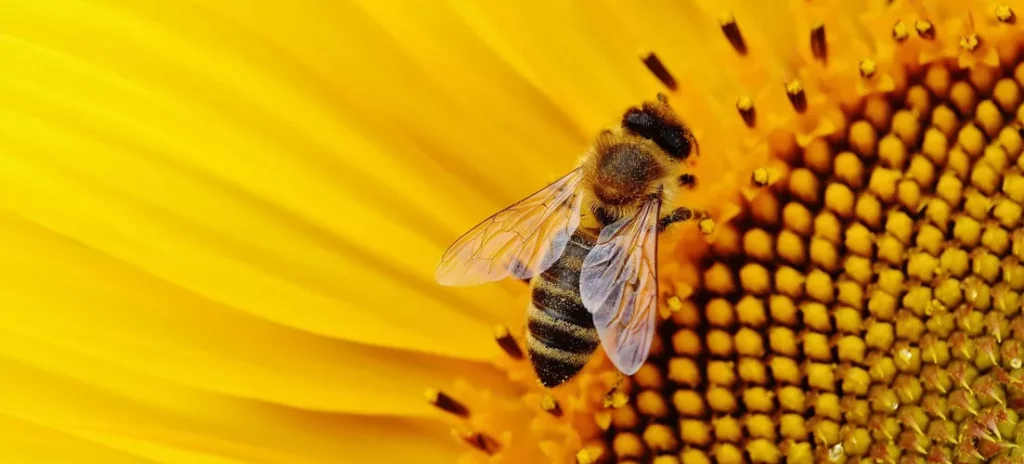
Honey bees, both wild and domestic, perform about 80 percent of all pollination worldwide. A single bee colony can pollinate up to 300 million flowers each day. While grains are primarily pollinated by the wind; fruits, nuts, and vegetables are pollinated by bees. Seventy out of the top 100 human food crops — which supply about 90 percent of the world’s nutrition — are pollinated by bees.
We’ve heard much over the last several years about the decline of the honey bee. There are a hive of factors being blamed for bees dying off: habitat loss, climate change, disease, parasites, and a new class of pesticides, neonicotinoids that began use in the early 1990s. But how bad is the problem, really?
For answers, we turn to the National Agricultural Statistics Service (NASS) of the United States Department of Agriculture. It has been collecting data on US honey bee colonies for over 30 years. By creating a control chart from the data, we can visualize how the colony numbers have changed over time.
The chart shows a rapid decline in honey bee population beginning in the early 1990s. The decline continues at a slower pace until it bottoms out in 2008. Colony Collapse Disorder was first reported in 2006 and alarms began buzzing shortly after that. In 2009 the situation starts to look sweeter, as the bee population begins to slowly increase, a possible result of concentrated efforts to save the bees.
On May 20 we celebrate World Bee Day, to acknowledge the role of bees in the ecosystem. It’s the perfect time to consider what we can do to help the bees.
Plant herbs and flowers, especially those that bloom in off-seasons when other flowers don’t, such as sunflowers and sages. Support local beekeepers who produce honey in your own neighborhood. Limit pesticide use, and if you see a swarm of bees in your garden, don’t spray them! Bee informed, educate yourself and others about bees. By better understanding them, we will better learn to respect and protect them.
Grace Barton
Marketing Specialist
About the Author Latest Posts
Grace Barton is a digital marketing and competitive intelligence professional who crafts strategic narratives by bridging marketing insights with analytical expertise. At Advantive, she creates engaging, data-driven content tailored to the distribution, manufacturing, packaging, and quality industries. Her goal is to deliver impactful messaging that drives engagement and growth based on specific gap closure needs, whether responding to sales organization requirements, pinpointing gaps in content, or meeting immediate market trends.
She thrives on transforming competitive intelligence into actionable insights for the sales organization. Grace manages Advantive’s competitive intelligence platform, Klue, to equip the sales team with the battlecards and market data they need to stay ahead of competitors. Since launch, she’s built 28+ battlecards across four lines of business, ensuring the GTM strategy stays sharp.
Grace has a passion for leveraging market insights with storytelling to guide strategic decision-making, empower sales organizations, and nurture organizational growth.
Areas of Expertise: Digital Marketing, Competitive Intelligence, Strategic Narratives, Marketing Insights, Analytical Expertise
- Why Scheduling is Still the Hidden Lever in Corrugated Packaging May 14, 2026
- From Data to Decisions: What AI Could Unlock Inside Your ERP April 30, 2026
- From Data to Direction: Why Advantive ONE Signals a New Era of Industrial AI April 14, 2026
- When the Warehouse Becomes the Bottleneck April 9, 2026
- The Power of Virtual Assistants When They’re Built for Real Work February 3, 2026